Robotic Cardiac Surgery
Precision surgery through tiny incisions using advanced robotic technology
Overview
Robotic cardiac surgery is an advanced, minimally invasive surgical approach that allows Dr. Nisarga to perform complex heart procedures through very small incisions using the da Vinci robotic surgical system. Rather than creating a large incision by splitting the breastbone (sternotomy), the robotic system enables precise, delicate movements controlled by the surgeon from a console.
In a typical procedure, several small keyhole-sized incisions are made between the ribs. Robotic arms holding specialized instruments and a high-definition 3D camera are inserted through these ports. Dr. Nisarga sits at a console, translating hand, wrist, and finger movements into precise, scaled-down motions performed by the robotic instruments inside the chest.
This technology provides magnified, high-definition 3D visualization of the surgical field, enabling unparalleled precision in suturing and tissue manipulation.
Key Facts
2–4 days
Typical Hospital Stay
1–2 weeks
Return to Light Activity
<1%
Conversion to Sternotomy
99%+
Technical Success Rate
Conditions Treated
Robotic Cardiac Surgery is used to treat the following conditions
Coronary Artery Disease
Blockages in the arteries supplying blood to the heart muscle
Mitral Valve Disease
Leaking or narrowed mitral valve requiring repair or replacement
Tricuspid Valve Disease
Dysfunction of the tricuspid valve affecting blood flow
Atrial Septal Defect
A hole in the wall separating the upper chambers of the heart
Cardiac Tumours
Benign growths in or around the heart requiring removal
Atrial Fibrillation
Irregular heartbeat that may require surgical ablation
Symptoms
Patients with conditions requiring Robotic Heart Surgery may experience one or more of the following symptoms. It is important to note that some conditions may be asymptomatic in their early stages.
Important: These symptoms can also be caused by other medical conditions. If you experience any of these symptoms, please consult a qualified healthcare professional for an accurate diagnosis.
Diagnosis
A thorough diagnostic evaluation is essential for accurate diagnosis and treatment planning
Treatment Options
The choice of treatment depends on the specific condition, its severity, and individual patient factors
Medical Management
Medications to manage symptoms and slow disease progression
Percutaneous Intervention
Stent placement via catheter for suitable blockages
Robotic Cardiac Surgery
Minimally invasive surgical treatment using robotic technology
Traditional Open Surgery
Conventional sternotomy approach for complex cases
Surgical Approach
How the procedure is performed by Dr. Nisarga and his team
The procedure is performed under general anaesthesia with the patient carefully positioned and prepared.
Several small incisions (8–12 mm) are made between the ribs to allow access for robotic instruments and the 3D camera.
Carbon dioxide gas is gently insufflated into the chest cavity to create space for the surgical instruments.
Dr. Nisarga controls the robotic console, performing the surgery with enhanced precision and tremor filtration.
The robotic system scales down hand movements, allowing ultra-precise suturing on delicate cardiac structures.
Upon completion, the instruments are removed, the small incisions are closed, and the patient is monitored in recovery.
Benefits
Why patients and physicians choose Robotic Heart Surgery
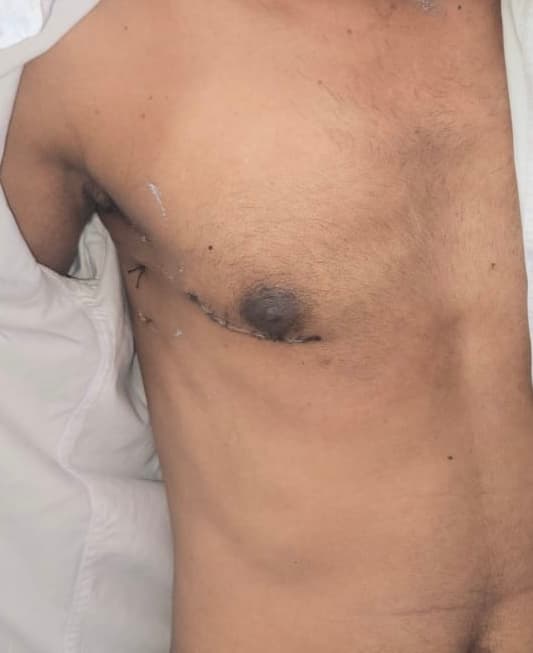
Surgical Results & Scarring
See the remarkable cosmetic outcomes of Robotic Heart Surgery — minimal scarring with excellent healing
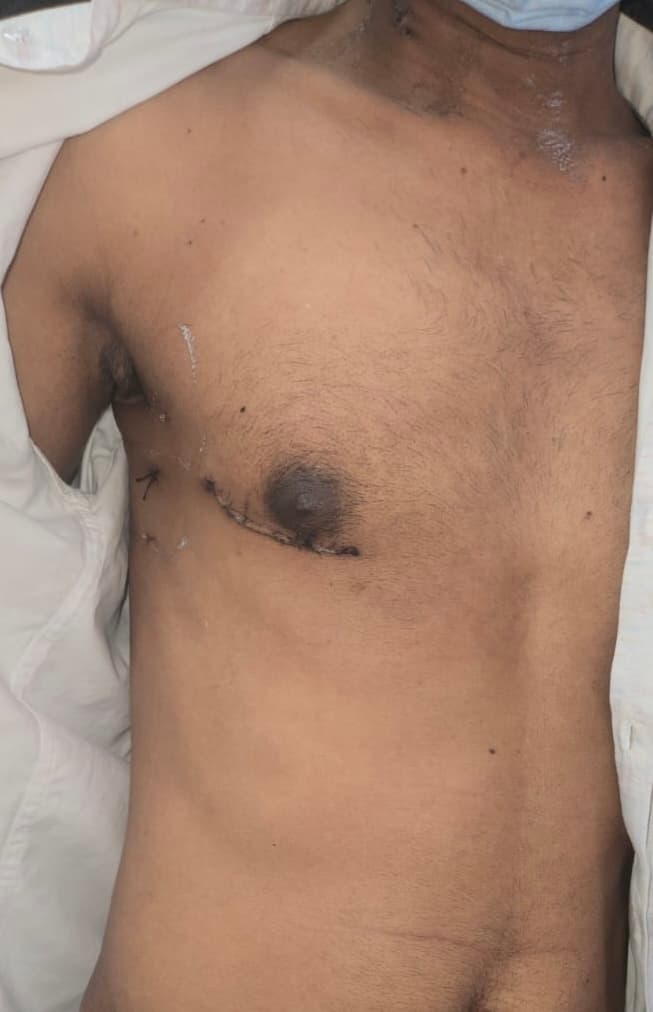
Robotic cardiac surgery incisions — tiny keyhole openings between the ribs
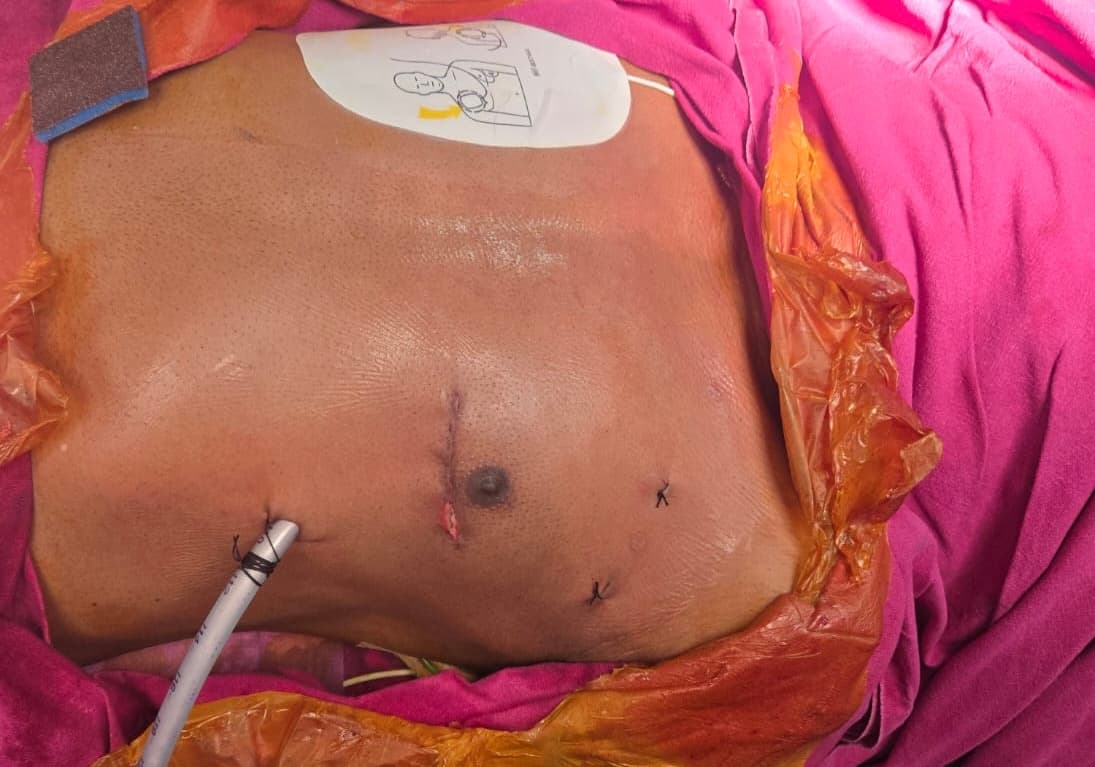
Robotic surgery scars during healing — minimal scarring visible
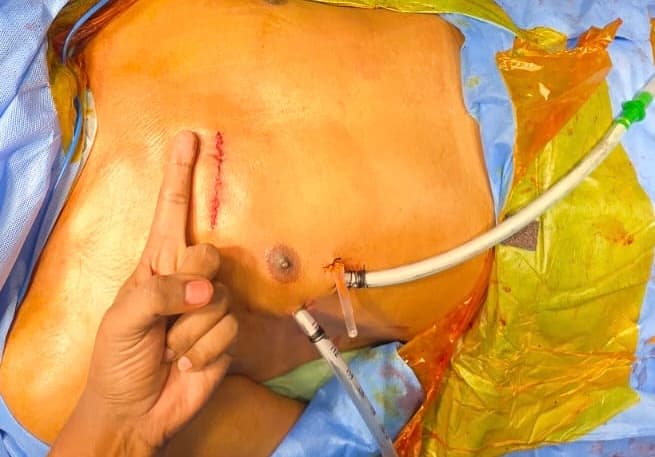
Fully healed robotic cardiac surgery incisions — barely visible scars
MICS incision result — small 4-6cm incision without sternotomy
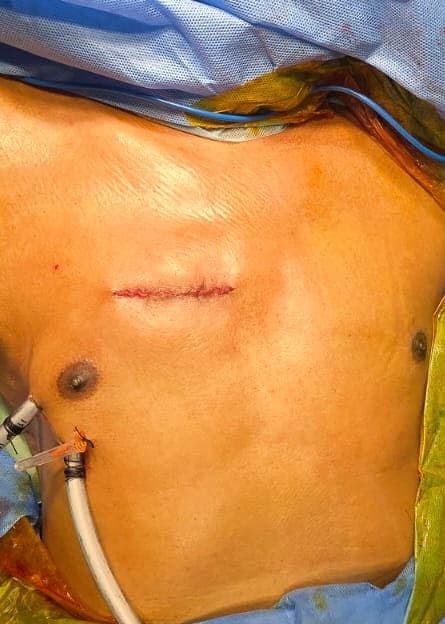
Minimally invasive cardiac surgery scar — excellent cosmetic outcome
Recovery & Rehabilitation
What to expect during the recovery period after Robotic Heart Surgery
A Word from Dr. Nisarga
Robotic cardiac surgery represents the pinnacle of minimally invasive heart surgery. For appropriately selected patients, it offers all the benefits of traditional surgery with significantly reduced trauma, faster recovery, and excellent clinical outcomes. Dr. Nisarga has extensive experience in robotic cardiac surgery and carefully evaluates each patient to determine if they are suitable candidates for this advanced approach.
Related Services
Explore other procedures offered by Dr. Nisarga
Schedule a Consultation
Take the first step towards advanced cardiac care. Dr. Nisarga and his team are here to help.